Copper In Water
"Copper water" — water that has rested in a copper vessel — has been part of daily life in many cultures for thousands of years. But what's actually going on when water sits in copper overnight? Here's a clear-eyed look at the tradition, the material, and how to use a copper vessel properly.
The tradition of copper water
In Ayurveda, water stored overnight in a copper pot is called "tamra jal," and drinking it in the morning is a classic part of the daily routine, or dinacharya. Long before modern plumbing, copper vessels were simply how many households stored their drinking water. When you rest water in a copper bottle overnight, you're practicing something people have done for millennia.
What actually happens in the vessel
Two things are worth knowing — both about the metal, not miracle cures:
- Trace amounts of copper enter the water. When water rests in an unlined copper vessel, tiny amounts of copper can migrate into it — typically small fractions of the normal dietary intake. This is why traditional practice uses plain water and rest times of a few hours, not days.
- Copper surfaces are studied for their antimicrobial properties. Copper alloys are registered with the U.S. EPA as antimicrobial surfaces, and researchers have long studied how microbes fare on copper compared to other materials. That's a property of the surface itself — it is not a substitute for clean, safe drinking water, and we don't claim it treats or prevents any illness.
Using a copper vessel the right way
- Start with safe drinking water. A copper bottle is a vessel, not a filter or purifier.
- Plain water only. Acidic drinks — citrus juice, soda, sports drinks — don't belong in unlined copper.
- Wash it regularly with mild soap, and polish now and then if you like the bright finish (a lemon-and-salt paste works beautifully).
- Everything in moderation. The traditional practice is a glass or two of overnight copper water — not all-day storage for weeks. Like any trace mineral, more copper is not better.
The bottom line
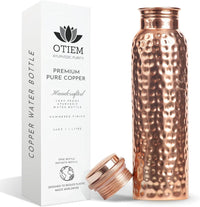
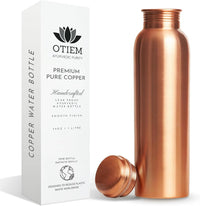
Copper water is a beautiful, ancient ritual built around a genuinely interesting material — and for many people, the ritual itself is the win, because it starts the day with a full glass of water. If you'd like to try it, our copper water bottles are made for exactly this.
One practical note: a copper vessel only stays pleasant to drink from if you keep it clean. The inside will darken over time, which is ordinary oxidation rather than a fault — our guide to how to clean a copper water bottle walks through the two-minute lemon and salt method we use on our own bottles.
This article is for general informational purposes only and is not medical advice. These statements have not been evaluated by the Food and Drug Administration. Our products are not intended to diagnose, treat, cure, or prevent any disease.