The Health Benefits of Copper
Search "copper benefits" and you'll find some big promises. As a company that makes copper water bottles, you might expect us to repeat them — but we'd rather tell you what nutrition science actually says about copper, and what it doesn't. Here's the honest version.
What's well established
Copper is an essential trace mineral. Per the NIH Office of Dietary Supplements, your body uses copper as part of enzymes involved in:
- Producing energy in your cells
- Metabolizing iron and forming red blood cells
- Building connective tissue, including collagen
- Keeping the nervous system functioning normally
These are documented roles of copper as a nutrient — the copper in your food. The recommended dietary allowance for adults is about 900 micrograms a day, and a varied diet with foods like shellfish, nuts, seeds, beans, whole grains, and dark chocolate typically covers it.
What's uncertain — and what to be skeptical of
You may see claims that copper prevents or treats arthritis, heart disease, osteoporosis, aging skin, or more. The honest summary: copper deficiency is genuinely harmful (and genuinely rare), but there isn't solid evidence that extra copper — beyond normal dietary needs — prevents or treats disease in otherwise healthy people. More is not better with trace minerals; too much copper is harmful too. If a product promises copper will cure something, treat that claim with healthy skepticism — even when the product is a copper bottle. Anyone with real questions about copper levels, deficiency, or supplements should talk with a doctor or registered dietitian rather than the internet.
So why do we make copper bottles?
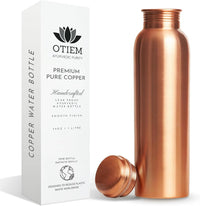
Because tradition, beauty, and habit are reasons enough. Copper vessels have a centuries-old place in Ayurvedic daily ritual, the material is durable and endlessly recyclable, and — in our experience — a bottle you love using is the single best nudge to drink more water. That's the benefit we'll stand behind: hydration you'll actually stick with, in a vessel with real heritage.
Curious? See our copper water bottles here, or read more about copper in your diet on the blog.
This article is for general informational purposes only and is not medical advice. These statements have not been evaluated by the Food and Drug Administration. Our products are not intended to diagnose, treat, cure, or prevent any disease.
Reference: NIH Office of Dietary Supplements — Copper Fact Sheet