What does Copper do for the Body?
Copper is one of the trace minerals your body needs in small amounts to function — and one most of us never think about. Here's a simple Q&A on what copper actually does in the body, how much you need, and where it comes from.
What does copper do in the body?
According to the NIH Office of Dietary Supplements, copper is a component of many enzymes the body uses every day. Those enzymes are involved in:
- Producing energy in your cells
- Metabolizing iron and forming red blood cells
- Building connective tissue, including collagen
- Supporting normal nervous system function
In short: copper doesn't do one flashy thing — it quietly participates in a lot of essential chemistry.
How much copper do you need?
The recommended dietary allowance for adults is about 900 micrograms per day — a tiny amount. Most people eating a reasonably varied diet get enough without thinking about it, which is why copper deficiency is rare in healthy adults.
What foods contain copper?
- Shellfish and seafood (oysters especially)
- Nuts and seeds
- Beans and lentils
- Whole grains and fortified cereals
- Potatoes and mushrooms
- Cocoa and dark chocolate
- Organ meats, like beef liver
Can you have too little — or too much?
Both are possible, and both are uncommon in healthy people eating normal diets. Deficiency occasionally occurs in specific medical situations, and excessive copper intake is harmful too — which is one reason supplements aren't something to start on a whim. If you're concerned about your copper levels for any reason, that's a question for your doctor, who can actually test for it — not something to self-diagnose from a blog post (including this one).
Where do copper bottles fit in?
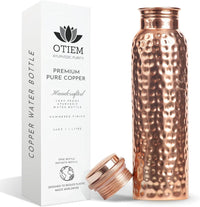
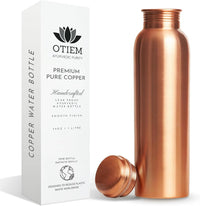
Honestly? We think of our bottles as tradition and habit, not nutrition. Water rested in a copper vessel is a centuries-old Ayurvedic ritual, and a bottle you love is a great nudge to drink more water — but your copper the nutrient should come from your plate. If the ritual appeals to you, have a look at our copper water bottles.
This article is for general informational purposes only and is not medical advice. These statements have not been evaluated by the Food and Drug Administration. Our products are not intended to diagnose, treat, cure, or prevent any disease.
Reference: NIH Office of Dietary Supplements — Copper Fact Sheet