Why is Water Good for You
You've heard "water is life" — and it's not much of an exaggeration. The human body is mostly water, and nearly every system in it depends on staying hydrated. Here's a plain-language look at what water actually does for you, and a few honest tips for drinking more of it.
It helps regulate your body temperature
Ever wonder why you sweat in hot weather or during a workout? Sweat is your body's cooling system — and it only works when you have enough fluid on board. That's why staying hydrated matters most on hot days and around exercise.
It supports digestion
Digestion starts with saliva (which is mostly water) and depends on fluid the whole way through — breaking food down, moving it along, and helping your body absorb nutrients. Not drinking enough water is one common contributor to constipation.
It helps your body clear waste
Your kidneys use water to filter waste products from your blood and flush them out as urine. No detox teas or gimmicks required — your kidneys and liver do this job around the clock, and water is what keeps the process running smoothly.
It keeps blood, joints, and tissues doing their jobs
Blood — which carries oxygen and nutrients everywhere in your body — is largely water. So is the fluid that cushions your joints and the moisture that protects tissues like your eyes and mouth. Even mild dehydration can leave you feeling tired or foggy, which is often the first sign you need a glass of water.
How much water do you actually need?
There's no single magic number — needs vary with your size, activity, climate, and health. General guidance from sources like the U.S. National Academies puts total daily fluid intake (from all beverages and food) at roughly 11.5 cups for women and 15.5 cups for men, but the simplest everyday signals work well for most healthy people: drink when you're thirsty, and aim for pale-yellow urine. One easy win with no downside: swapping sugary drinks for water is one of the simplest ways to cut added sugar from your day.
Tips for actually drinking more
- Keep a bottle you love within arm's reach — visibility is half the battle.
- Anchor water to habits you already have: a glass when you wake up, one with every meal.
- Make it pleasant — cold, with lemon, or in a vessel that makes you smile.
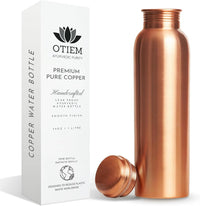
That last one is kind of our whole thing. If a beautiful bottle would help you reach for water more often, meet our copper water bottles.
This article is for general informational purposes only and is not medical advice. If you have a medical condition that affects how much fluid you should drink, follow your doctor's guidance.