Is It Safe to Drink Water From a Copper Bottle?
It is one of the first questions people ask us, and it deserves a straight answer rather than a sales pitch. For most healthy adults, drinking plain water that has been stored in a bottle made of pure, unlined copper is generally considered safe — provided you use it the way it was meant to be used. The details below are the ones that actually matter.
How much copper actually ends up in your water?
Copper is an essential trace mineral. According to the NIH Office of Dietary Supplements, adults need roughly 900 micrograms per day, which most people get from food — shellfish, nuts, seeds, whole grains, organ meats and dark chocolate are all good sources. The same office sets a tolerable upper intake level of 10,000 micrograms (10 mg) per day for adults from all sources combined.
Water stored in a copper vessel picks up a small amount of copper from the walls of the bottle. Published measurements vary a great deal depending on how long the water sits, how acidic it is, and how warm the room is, so no one can give you a single reliable number. What is consistent is that for plain drinking water stored for normal periods, the amounts reported sit well below that 10 mg daily ceiling. For reference, the World Health Organization's guideline value for copper in drinking water is 2 mg per litre.
The honest summary: ordinary use is not the risky part. The risky part is misuse, which is the next section.
What to put in it — and what to leave out
A copper bottle is for plain water. That is not fussiness; it is chemistry. Acidic liquids dissolve noticeably more copper out of the metal than neutral water does. Please keep these out of a copper bottle:
- Lemon water, citrus, or any fruit juice. This is the single most common mistake we hear about.
- Vinegar drinks, buttermilk, or anything fermented. Great for cleaning the outside, not for drinking out of the inside.
- Alcohol, including wine and cocktails. A lined Moscow Mule mug is a different object from an unlined bottle.
- Hot liquids — tea, coffee, boiling water. Heat speeds the whole process up, and copper conducts heat well enough to burn your hand.
Cool or room-temperature water, and nothing else. That is the whole rule.
How long should water sit in a copper bottle?
In the Ayurvedic tradition this is called tamra jal: water is poured into a copper vessel in the evening and drunk the following morning, roughly six to eight hours later. This is a long-standing cultural practice and a belief system, not a scientific finding, and we describe it that way deliberately.
From a practical standpoint, the useful advice is simply this: empty and refill your bottle daily. Water that has been sitting in any bottle for days is stale, and in a copper bottle a longer sit also means more copper in the glass. Fill it, drink it, rinse it, refill it.
Who should check with a doctor first
Some people do need to be careful with copper intake, and we would much rather say so plainly than leave it out. Please talk to your doctor before using a copper bottle if you have Wilson's disease or any condition affecting how your body handles copper, if you have liver or kidney disease, if you have been advised to limit copper for any reason, or if you are pregnant or nursing. Do not use a copper bottle for infant formula or for young children's water without asking your paediatrician first. If you ever notice a strong, persistent metallic taste, stop using the bottle and check in with a professional.
Purity is a safety question, not just a quality one
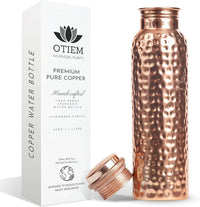
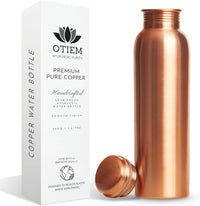
Everything above assumes the bottle is actually made of pure copper. A cheap copper-plated bottle over an unknown base metal is a genuinely different proposition, because you have no idea what is underneath once the thin plating wears through. A quick check: a magnet will not stick to pure copper, and pure copper develops a natural patina over time instead of staying permanently shiny. Our bottles are unlined 100% copper, and you can see the whole range on our collections pag.
A clean bottle is a safer bottle
The one maintenance habit that matters is rinsing daily and giving the inside a proper clean every week or two. It takes about two minutes with lemon and salt — used as a cleaner and rinsed out thoroughly, not left inside as a drink. We wrote a full walkthrough in how to clean a copper water bottle, and if you want more background on the material itself, our post on copper in water covers it.
The short version
Plain water, cool or room temperature, emptied and refilled daily, in a bottle you know is actually pure copper, kept clean. Do that and you are using it exactly as intended. And if you are in one of the groups listed above, have a quick word with your doctor first — it costs you nothing.
This article is for general informational purposes only and is not medical advice. These statements have not been evaluated by the Food and Drug Administration. Our products are not intended to diagnose, treat, cure, or prevent any disease.